Best Hot Dog Styles from Around the United States
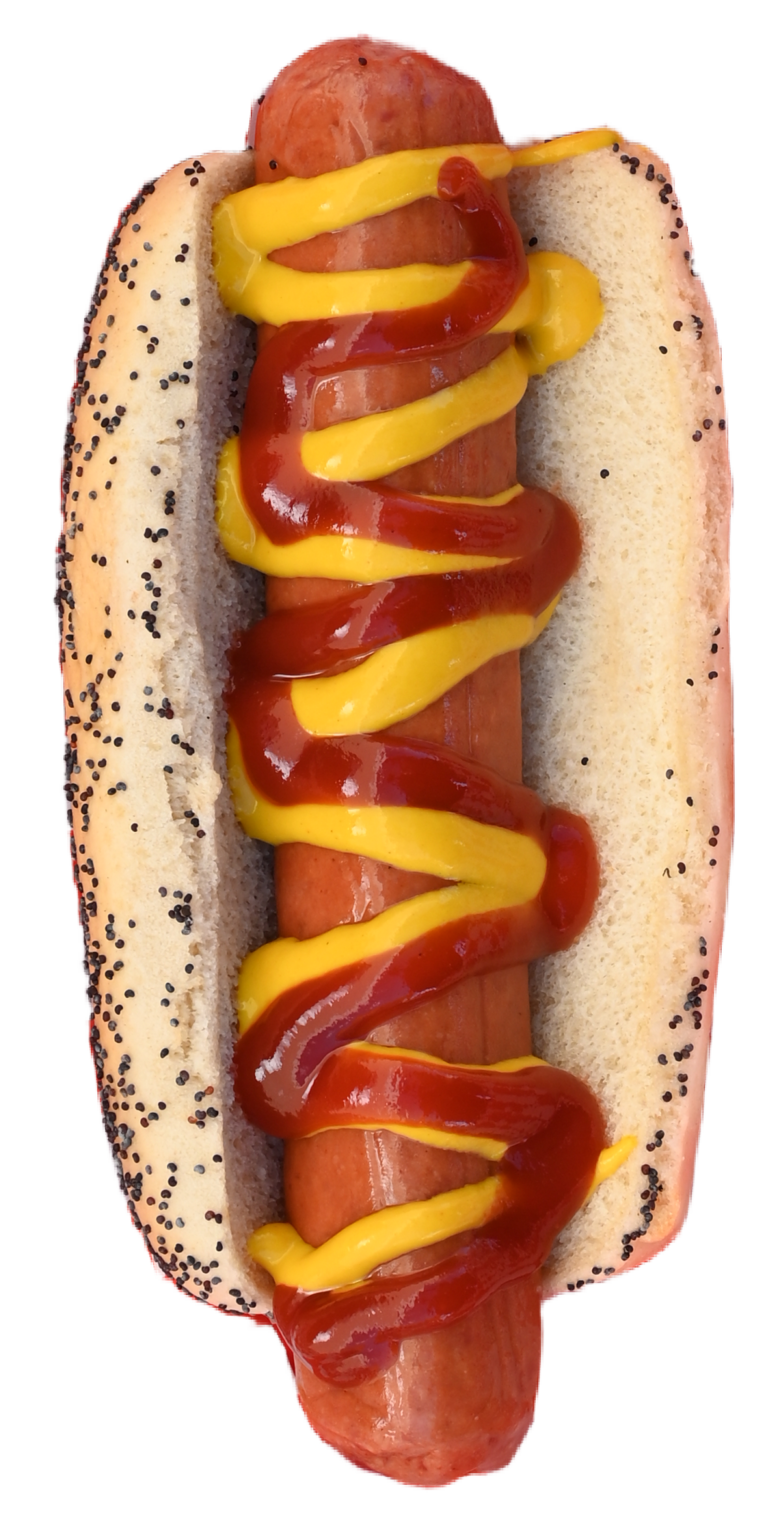


A great hot dog tells you where you are before anyone says a word. The bun, the snap of the casing, the order in which the toppings land, even the way the condiment runs down your wrist, all of it carries regional memory. You can taste immigration patterns, working class lunch habits, ballpark culture, late-night street food, and local ideas about what belongs on a sausage and what absolutely does not.
That is what makes American hot dog culture more interesting than it gets credit for. People sometimes talk about the hot dog as if it were one thing, a cheap standard issued from a cart or concession stand. Spend any real time eating them across the country and that idea falls apart quickly. A Chicago dog and a Sonoran dog barely feel like cousins. A New York onion sauce has almost nothing in common with the creamy tang of a Seattle dog. Even the sausages differ more than many diners realize, from all-beef franks with a tight natural casing to pork-beef blends with a softer bite.
The best hot dog styles endure because they are specific. They are not random piles of toppings. Each one has a logic, built over decades. Salt meets acid. Smoke meets crunch. Soft bun meets snappy casing. Heat gets tempered by cream cheese or sharpened by sport peppers. Good versions feel balanced and inevitable, as if no other combination could make sense in that city.
What makes a regional hot dog style worth seeking out
The strongest regional dogs do three things well. First, they respect the sausage. No amount of relish or chili can rescue a limp, underheated frank. Second, they create contrast. The best examples balance soft and crisp textures, rich and bright flavors, hot and cool elements. Third, they feel rooted in local habit rather than novelty. A style lasts because regular people actually order it for lunch, after games, at roadside stands, and on late shifts.
That final point matters. Plenty of places can build an extravagant specialty dog. Fewer create a style that becomes part of daily life. If a topping combination survives for generations, it usually means it solved a real craving in a particular place.
Chicago, Illinois: the fully dressed masterpiece
No regional hot dog inspires fiercer loyalty than the Chicago dog, and for good reason. At its best, it is one of the most disciplined fast foods in America. The standard formula is well known: an all-beef frank in a poppy seed bun, topped with yellow mustard, bright green relish, chopped onion, tomato wedges or slices, a dill pickle spear, sport peppers, and a shake of celery salt.
On paper, it can look excessive. In practice, it is remarkably balanced. The pickle and sport peppers bring acidity and heat. Tomato adds moisture and freshness. Onion gives bite. Relish contributes sweetness. Celery salt sharpens the whole thing and ties the vegetables back to the beef. The bun matters more than people think. It needs enough softness to compress around the toppings without disintegrating.
The famous no-ketchup rule gets repeated so often that it can sound like theater, but there is real culinary logic behind it. A proper Chicago dog already has sweetness from the relish and juiciness from the tomato. Ketchup flattens the profile and muddies the brighter notes. Whether that means grown adults should be publicly judged for asking for it is another question, but from a flavor standpoint, the traditionalists have a case.
The style also depends on assembly and proportion. Too much tomato and the bun goes wet. Too few sport peppers and the dog loses its edge. In Chicago, a mediocre example is usually the result of sloppiness rather than a flawed formula.
New York City: mustard, sauerkraut, and onion sauce
New York’s classic hot dog style is simpler and more direct. Street cart dogs and old-school counter dogs tend to arrive with mustard, sauerkraut, and sometimes a tomato-based onion sauce that carries mild sweetness and spice. The frank itself is the center of gravity. In many of the city’s best examples, especially the old all-beef kosher-style franks, the sausage has a deeper garlic and spice profile than the average supermarket dog.
This style works because it suits how New Yorkers actually eat. It is fast, practical, easy to hold, and strong enough in flavor to register even when eaten standing up on a busy corner. Sauerkraut adds tang and texture. Brown or deli mustard supplies sharpness. The onion sauce, when made well, rounds out the acidity with warmth and a little sugar.
A very good New York dog feels assertive rather than elaborate. It does not ask for your full attention the way a piled-high Chicago dog does. It succeeds in a different register, compact and savory, built for momentum. That may be why it remains such a benchmark. There is very little hiding place in that format. If the frank is bland, or the kraut tired, the whole thing shows it.
Detroit and Michigan: the Coney dog and its many arguments
The Coney dog is one of the great examples of a style that sounds simple but gets complicated fast. In Detroit and elsewhere across Michigan, a proper Coney usually means a beef frank in a steamed bun, topped with a loose, savory meat sauce, yellow mustard, and chopped raw onions. The chili, if you want to call it that, is not Texas chili and should not behave like a bowl of stew. It is finer, looser, and more integrated, more sauce than ladled topping.
This is a style with deep immigrant and regional history, and it has inspired long-running arguments over who does it best. Detroit’s famous rival counters have kept that debate alive for decades. In Flint, meanwhile, a distinct variation uses a drier, crumbly meat topping, often heart-based in the traditional version, which gives the dog a very different feel. The Detroit style coats. The Flint style scatters and clings.
The best Coney dogs are about seasoning and restraint. Too much meat sauce turns the bun sodden. Too little mustard and the richness drags. Fresh onion is not optional decoration here. It cuts through the savory weight and gives the dog its lift.
If Chicago represents garden brightness and New York represents stripped-down clarity, the Coney belongs to the school of diner comfort. It is warmer, messier, and especially satisfying in cold weather or after a late night.
Tucson, Arizona: the Sonoran dog
The Sonoran dog is one of the most complete street foods in the country. It starts with a hot dog wrapped in bacon, usually griddled until the bacon renders and crisps at the edges. The sausage goes into a soft bolillo-style bun, then gets topped with pinto beans, chopped tomato, onion, mustard, mayonnaise, jalapeño salsa or other chiles, and often additional garnishes such as crema, cheese, or grilled onions, depending on the stand.
Calling it indulgent is accurate but incomplete. What makes the Sonoran dog great is not excess for its own sake. It is the way smoke, fat, creaminess, acid, and heat keep answering each other. The beans make it feel substantial without turning it heavy. Mayo softens the fire. Tomato and onion bring freshness. The bun, usually more plush and slightly sturdier than a standard hot dog bun, holds up to the richer build.
This style also shows how porous American food traditions really are. The Sonoran dog belongs to the borderlands. It reflects movement, adaptation, and local ingredient habits. Eat one in southern Arizona, ideally from a busy stand where the griddle never cools, and it feels less like a novelty hot dog than like a perfectly logical regional staple.
A weak Sonoran dog usually fails in one of two ways. Either the bacon stays flabby and under-rendered, or the bun is wrong and collapses under the fillings. Get those right and nearly everything else falls into place.
Seattle, Washington: cream cheese and the late-night effect
At first glance, the Seattle dog can seem like a stunt. The standard version pairs a grilled hot dog with cream cheese and grilled onions, often with jalapeños or sriracha-like heat added somewhere in the mix. People who have not eaten one tend to get stuck on the cream cheese, imagining something cloying or random.
In practice, a good Seattle dog makes immediate sense. Cream cheese acts as a cooling, rich spread, much the way a dairy-based sauce might balance spicy or smoky food in other traditions. It smooths out the char of the sausage and the sweetness of the onions. Add a little heat and the whole thing becomes a late-night classic, especially in cool weather.
This is a style tied closely to nightlife and street vending. It is filling, slightly unruly, and very forgiving after a couple of drinks, but it is better than a joke food. The key is moderation. Too thick a layer of cream cheese turns the experience gummy and dense. A restrained schmear, plus well-caramelized onions and a snappy dog, gives you a combination that is richer than a New York dog but less overloaded than a Sonoran.
It also proves an important point about regional hot dog culture. Sometimes the combinations that sound least orthodox end up feeling the most intuitive once you eat them in context.
West Virginia: the slaw dog
A proper slaw dog has no interest in subtlety. In West Virginia and parts of the Appalachian South, the classic formula often includes a hot dog topped with chili, mustard, chopped onion, and coleslaw. That sounds like too much softness on one bun, and bad versions do suffer from that problem. Good versions do not.
The slaw has to be crisp enough and bright enough to cut through the chili. It should add temperature contrast and a fresh crunch, not just sit there as a wet blanket. When the balance is right, the result is one of the most satisfying hot dog styles in the country. You get savory depth from the chili, zip from the mustard, sharpness from the onion, and a cooling, vinegary sweetness from the slaw.
This is another style rooted in practical eating. It makes sense in diners, drive-ins, https://maps.app.goo.gl/sQc4uJqEpXEU3Gav6 roadside stands, and lunch counters where chili and slaw are already part of the house identity. It also illustrates how local definitions matter. Ask for a slaw dog in one place and you may get a sweet creamy slaw. In another, you will get a tangier, finer-cut version. Those differences change the whole experience.
New Jersey: the Italian hot dog
The Italian hot dog is one of the country’s most underrated regional specialties. Popularized in New Jersey, especially around Newark, it typically features one or more hot dogs tucked into a substantial piece of pizza bread or roll, then loaded with fried peppers, onions, and potatoes. If that sounds closer to a sandwich than a typical hot dog, that is because it is. And that is part of its appeal.
This is a working person’s meal, not a minimalist snack. The potatoes absorb juices and provide heft. The peppers and onions bring sweetness and char. The bread, if right, has enough chew and structure to keep the fillings in line. Because there is so much going on, the frank can almost become a background note in mediocre versions. In strong ones, the sausage remains distinct and salty enough to anchor the vegetables and starch.
The Italian hot dog rewards appetite, but it also rewards pacing in the kitchen. Rush the potatoes and they go pale and limp. Overcrowd the peppers and onions and they steam instead of fry. Done well, it feels generous without feeling careless.
Maine: the red snapper
Maine’s red snapper is proof that regional identity can hinge on details outsiders might dismiss as odd. These bright red hot dogs, often made with natural casings, are beloved for their color and their pronounced snap when bitten. The flavor is familiar but not identical to the standard frank found elsewhere. Many locals prefer them with straightforward toppings, often just mustard or a simple relish, because the casing texture is part of the draw.
If you did not grow up around them, the color can feel almost theatrical. Then you bite in and understand why they persist. Texture matters. That crackle gives the dog personality. In a country full of skinless franks with a softer chew, the red snapper stands out immediately.
This is also a reminder that not every regional style depends on a mountain of toppings. Sometimes a regional hot dog is defined by the sausage itself and the loyalty people feel to its specific look and bite.
Los Angeles and the Southwest urban corridor: the bacon-wrapped street dog
The bacon-wrapped street dog, often called a danger dog in Los Angeles, earned its place through sheer sensory force. You smell it before you see it. Street vendors cook bacon-wrapped hot dogs on flat griddles with onions and peppers, often serving them with mustard, mayo, ketchup, and grilled vegetables.
Purists may object that this is too recent or too informal to count alongside older canonical styles. That misses the point. Regional food traditions do not require a century-long head start to matter. They require repetition, demand, and a recognizable format. By those standards, the bacon-wrapped street dog qualifies.
Its strength lies in contrast. The bacon provides crisp fat and smoke. The onions turn sweet on the griddle. Peppers add vegetal heat. The condiments, especially mayo and mustard together, create a creamy, sharp finish. The whole thing feels built for sidewalks outside concerts, sports venues, and bars.
A lot depends on the vendor’s griddle management. If the bacon renders properly and the vegetables catch enough color, the dog is irresistible. If everything steams in a crowded pan, it turns heavy in a hurry.
Kansas City, Texas, and the broader chili dog family
Not every memorable hot dog style comes with a single-city passport. The chili dog appears across much of the country, especially in the Midwest and South, and local versions vary widely. Some use beanless chili with a fine grind. Others lean saucier. Some get cheese, others onion, others mustard, and some all three.
Because the chili dog is so widespread, it can be easy to underestimate. That would be a mistake. When done well, it delivers one of the great comfort-food equations in American eating. Rich beef, soft bun, warm spice, and one bright topping to cut through it. The problem is that many versions are lazy. Cooks pour bowl chili over a hot dog and call it finished. That rarely works.
A proper chili dog requires a topping designed specifically for the format. It should cling to the sausage rather than slide off. It should season the dog without burying it. Cheese, if used, should melt from the heat of the chili rather than sit in a cold clump on top.
Why some styles travel and others do not
Certain hot dog styles spread nationally because they are easy to standardize. New York and chili dogs fit neatly into carts, diners, and stadiums. Others depend on local bread, local condiment habits, or a specific kind of counter service. A Chicago dog can travel, but it demands a surprising amount of ingredient discipline. A Sonoran dog is even harder to recreate well outside its home region because the bun, beans, salsa, and bacon technique all matter.
There is also the matter of timing. Some styles are best eaten immediately, practically from griddle to hand. The bacon-wrapped street dog loses character if it sits. So does a slaw dog if the slaw warms and the bun absorbs too much moisture. Regional food often resists export not because the idea is secret, but because the conditions are hard to duplicate.
How to judge a hot dog stand in the first few bites
If you travel for hot dogs, you learn to look for signs before you order. Busy turnover helps. So does a narrow menu, especially at places known for one signature style. You want buns that match the dog, condiments that taste fresh, and toppings added with confidence rather than hesitation. The best stands and counters move like they have repeated the same gestures thousands of times.
A few clues matter more than fancy branding.
- The frank should be hot all the way through, with casing texture appropriate to the style.
- The bun should support the toppings without tearing or turning gummy.
- Wet toppings need proportion, enough for flavor, not enough to drown the sausage.
- Bright ingredients such as onion, kraut, slaw, or tomato should taste fresh, not tired.
- The whole dog should make sense after the second bite, not just the first.
That second bite test is useful. The first bite can impress with novelty. The second tells you whether the structure holds.
The regional hot dog as an American map
For all the debate over which style is best, the smarter answer is that the country is better because so many distinct versions exist at all. The American hot dog is not a single tradition but a network of local solutions. One city adds pickles and peppers to cut summer heat. Another uses meat sauce to make a quick meal feel substantial. Another wraps the dog in bacon because street food should smell impossible to resist from half a block away.
What ties these styles together is not sameness but proportion. The great ones understand their own purpose. Chicago aims for bright complexity. New York favors brisk directness. Detroit wants savory comfort. Tucson leans into abundance and contrast. Seattle turns richness into an asset. West Virginia gives chili a cooling crunch. New Jersey turns the hot dog into a hearty sandwich without losing its soul.
If you care about American food, regional hot dog culture is worth taking seriously. It is affordable, democratic, and unusually honest. A hot dog cannot hide behind ceremony. You taste the choices immediately. And when those choices come from years of local habit, the result can be every bit as expressive as more celebrated regional dishes.
The next time someone shrugs off the humble hot dog, send them across the country with an appetite and a stack of napkins. By the time they get home, they will understand.
Under Construction Hot Dogs
1225 W U.S. Hwy 50, Pueblo, CO 81008
FAQ About hot dog
What are different types of hotdogs?
Under Construction Hot Dogs offers a classic all-beef hot dog, a quarter-pound Jumbo Dog, a Chili Dog, and a Chicago Dog, along with brats and a Spicy Link.
What does a chili dog have on it?
Our Chili Dog pairs a Vienna all-beef hot dog with chili, shredded cheddar cheese, and finely diced onions.
What is in a traditional Chicago dog?
Our Chicago Dog comes on a steamed poppy seed bun with yellow mustard, bright green relish, onions, tomato wedges, a pickle spear, sport peppers, and celery salt.